Showcasing Diverse Heritage in Film Projects
- Tina Thompson
- Apr 6
- 5 min read

Film has always been a powerful medium for storytelling, allowing creators to explore and express the rich tapestry of human experience. As the world becomes increasingly interconnected, the importance of showcasing diverse heritage in film projects has never been more critical. This blog post will delve into the significance of representing various cultures in cinema, highlight successful examples, and provide insights on how filmmakers can embrace diversity in their projects.
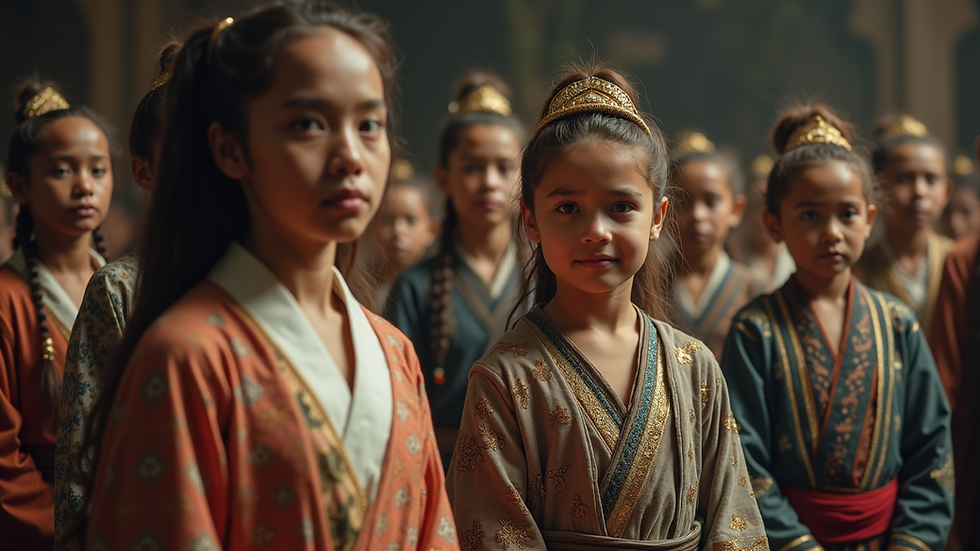
The Importance of Diverse Representation
Cultural Authenticity
One of the primary reasons for showcasing diverse heritage in film is to promote cultural authenticity. When filmmakers accurately represent different cultures, they contribute to a more nuanced understanding of those communities. This authenticity can help dispel stereotypes and foster empathy among audiences. For instance, films like Coco and Black Panther have been praised for their respectful and accurate portrayals of Mexican and African cultures, respectively.
Expanding Audience Reach
Diverse representation also broadens the audience base. Films that resonate with various cultural backgrounds can attract viewers who may not typically engage with mainstream cinema. This inclusivity not only enhances box office performance but also enriches the storytelling landscape. For example, Parasite, a South Korean film, achieved global acclaim and success, demonstrating that audiences are eager for stories that reflect different cultural experiences.
Fostering Inclusivity
Incorporating diverse heritage in film projects fosters a sense of belonging for underrepresented communities. When individuals see their stories and experiences reflected on screen, it validates their identities and encourages them to engage with the medium. This inclusivity can inspire future generations of filmmakers and storytellers from diverse backgrounds to share their narratives.
Successful Examples of Diverse Heritage in Film
Coco
Pixar's Coco is a prime example of a film that celebrates Mexican culture and traditions. The film explores the significance of Día de los Muertos (Day of the Dead) and showcases vibrant visuals, music, and family values. By collaborating with cultural consultants and conducting extensive research, the filmmakers ensured that the representation was respectful and authentic. The film not only received critical acclaim but also resonated deeply with audiences, particularly within the Mexican community.
Black Panther
Marvel's Black Panther broke barriers by featuring a predominantly Black cast and showcasing African culture in a superhero narrative. The film's portrayal of Wakanda, a fictional African nation, highlighted themes of identity, heritage, and empowerment. The success of Black Panther demonstrated that films centered around diverse narratives could achieve both critical and commercial success, paving the way for more inclusive storytelling in Hollywood.
Crazy Rich Asians
Crazy Rich Asians marked a significant moment in Hollywood by being the first major studio film in over 25 years to feature an all-Asian cast. The film not only celebrated Asian culture but also addressed issues of class and identity within the Asian community. Its success at the box office and critical acclaim underscored the demand for diverse stories in mainstream cinema.
How Filmmakers Can Embrace Diversity
Collaborate with Cultural Experts
To ensure authentic representation, filmmakers should collaborate with cultural experts and consultants. Engaging individuals from the communities being portrayed can provide valuable insights and help avoid cultural missteps. This collaboration can also enhance the storytelling process, leading to richer narratives.
Prioritize Diverse Casting
Casting decisions play a crucial role in representing diverse heritage. Filmmakers should prioritize diverse casting to ensure that actors from various backgrounds are given opportunities to tell their stories. This not only enhances authenticity but also provides a platform for underrepresented talent in the industry.
Tell Unique Stories
Filmmakers should seek out unique stories that reflect the experiences of diverse communities. By focusing on narratives that may not have been previously explored, filmmakers can contribute to a more inclusive cinematic landscape. This approach can lead to innovative storytelling and resonate with audiences seeking fresh perspectives.
Support Diverse Voices
Supporting diverse voices in the film industry is essential for fostering an inclusive environment. Filmmakers can advocate for initiatives that promote diversity in hiring, funding, and project development. By amplifying the voices of underrepresented creators, the industry can move toward a more equitable future.
Challenges in Showcasing Diverse Heritage
Stereotyping and Misrepresentation
One of the significant challenges in showcasing diverse heritage is the risk of stereotyping and misrepresentation. Filmmakers must be cautious not to reduce complex cultures to simplistic tropes. This requires thorough research and a commitment to authenticity in storytelling.
Industry Barriers
The film industry has historically been dominated by a narrow range of voices, making it challenging for diverse creators to break through. Limited access to funding, resources, and opportunities can hinder the production of films that showcase diverse heritage. Addressing these barriers is crucial for fostering a more inclusive industry.
Audience Reception
While there is a growing demand for diverse stories, audience reception can vary. Some viewers may resist narratives that challenge their preconceived notions or cultural norms. Filmmakers must be prepared to engage with audiences and facilitate discussions around the themes presented in their work.
The Future of Diverse Heritage in Film
As the film industry continues to evolve, the importance of showcasing diverse heritage will only grow. Audiences are increasingly seeking stories that reflect the complexities of the world we live in. By embracing diversity, filmmakers can create a more inclusive and representative cinematic landscape.
The Role of Streaming Platforms
Streaming platforms have emerged as powerful players in the film industry, providing opportunities for diverse storytelling. With the ability to reach global audiences, these platforms can showcase films that may not have received traditional theatrical releases. This shift allows for a broader range of voices and narratives to be heard.
Emerging Filmmakers
The rise of emerging filmmakers from diverse backgrounds is a promising sign for the future of inclusive storytelling. These creators bring fresh perspectives and unique experiences to their projects, enriching the film landscape. Supporting and promoting these filmmakers is essential for fostering a diverse and vibrant industry.
Audience Engagement
Engaging audiences in discussions about diverse heritage in film can help promote understanding and appreciation. Filmmakers can leverage social media, screenings, and community events to facilitate conversations around their work. By encouraging dialogue, filmmakers can create a deeper connection with their audiences and foster a sense of community.
Conclusion
Showcasing diverse heritage in film projects is not just a trend; it is a vital aspect of storytelling that enriches our understanding of the world. By prioritizing cultural authenticity, expanding audience reach, and fostering inclusivity, filmmakers can create impactful narratives that resonate with viewers. As the industry continues to evolve, embracing diverse voices and stories will pave the way for a more inclusive cinematic future.
The call to action is clear: let us support and celebrate the diverse heritage that shapes our world, ensuring that every story has a place on the screen.


Comments